What Is Steel Chiminea And Why Is Everyone Talking About It?
Buying a Steel Chiminea A chiminea can be a wonderful addition to any garden, and can bring families and friends together. There are a few points to consider prior to purchasing a chiminea. For instance, the chiminea must be placed on a fire-proof and heat-resistant base. It should also be kept a safe distance from anything that could cause flames. Easy to Assemble You can put together your chiminea from steel by following the steps in the manual. It is crucial to keep in mind that these chimineas are very heavy and should be handled with care. It is also important to avoid placing any flammable objects close to the chiminea as the high temperatures it produces can cause damage to them. It is also recommended to set the chiminea up permanently and on a non-flammable surface, like a patio. Once the chiminea is fully assembled, it must be thoroughly cleaned using an electric brush or broom to remove dirt and other debris from the joints. The pieces that are rusty will need to be sanded down. This will help the paint to stick well and give a more attractive finish. The chiminea should be completely dry prior to painting. Make sure you use a high-quality paint that is rust-proof, such as Rust-Oleum Stove and BBQ paint. It is recommended to apply at minimum two coats of the paint, allowing each one to dry for a couple of hours before applying the next coat. Chimineas can be extremely long-lasting however they require regular maintenance to stay in good condition. This is especially true in areas that have an abundance of salt air or moisture. These conditions can speed up the rusting process. It is essential to safeguard your chiminea with a anti-rust finish and to keep it clean. Before you begin to put together your chiminea, it's best to take some time to consider the location of the unit. Avoid placing it near flammable items like fences made of wood, planters, lights for your garden or furniture. Chimineas should be at least six feet away from other buildings or structures. Additionally, it is essential to cover your chiminea when you anticipate rain. This will keep it safe from moisture, ice and other elements that could cause it to crack. If you do not have an enclosure, you can cover the chiminea with a sheet or tarp. Easy to Clean With the proper cleaning products, and following the care instructions You can ensure that your chiminea from clay will look great and remain secure for a long time. Clay is a delicate material that is easily damaged or broken if not properly taken care of. Make sure to regularly inspect the chiminea and clean any debris. This will keep the chiminea looking attractive and will reduce potential fire hazards resulting from the accumulation of soot or tinder. Clean the interior of your chiminea by paying particular attention to gaps and difficult-to-access areas. You can make use of a wire scrubber to clean the inside, but you can also try an cleaning solution or sponge. After you have thoroughly cleaned the chiminea, clean it off and dry it completely with a microfibre cloth. This will ensure that any leftover cleaning products are removed and that the surface is ready to be painted. Before you start painting your Chiminea, give it a gentle sanding. This will help remove any protruding pieces of rust, and create a much better surface for the paint to adhere to. Once the sanding is done you can apply your desired color of paint to your chiminea and observe as it transforms before your eyes! You should paint your chiminea at least once per year. If chiminea large want to extend the life of your clay one, you can do this up to twice a year. This will not only increase its lifespan, but it will also enhance its appearance and shield it from further corrosion. A good way to prevent your chiminea from rusting in the first place is to use kiln-dried wood, because it burns hotter and last longer than unseasoned or green logs. It also reduces the possibility of spitting which is a common problem that is caused by burning green or unseasoned wood in chimineas. Another preventative measure is to ensure that your chiminea's cover is in place when not in use. the chiminea cover that is specifically designed is the best option since this will help to repel moisture, dirt, dust and other harmful substances. Easy to maintain A chiminea can be the focal point of many outdoor gatherings. Regular maintenance is vital to keep it in top condition for a long time. Chiminesas that are neglected can rust and become ugly. It is essential to regularly apply protective treatments and clean your chiminea after every use. How often you clean your chiminea depends on its type and usage. For instance, you might not have to clean a clay chiminea as often as you would with a wooden deck or other outdoor furniture. A chiminea made from steel needs to be cleaned more frequently to keep it from accumulating soot and dust. You can remove the ash from the firebox using a sweep or shovel and remove the gravel used to cover the chiminea's base (only after it has cool). If your chiminea was made of steel, you'll also have to apply an anti-rust treatment regularly. Apply a rust prevention product to your chiminea's surface and let it rest according to the directions of the manufacturer. Sand the exterior of your fireplace to eliminate any rusty areas and give it a more smooth finish. This makes it easier to paint. You should also cover your chiminea when not in use if you live somewhere that has an extreme climate. A cover will protect your chiminea from the rain and will reduce the risk of condensation, which can speed up rusting. If you are worried about the rusting of your chiminea, think about spray the chiminea with a rust-resistant sealant paint. 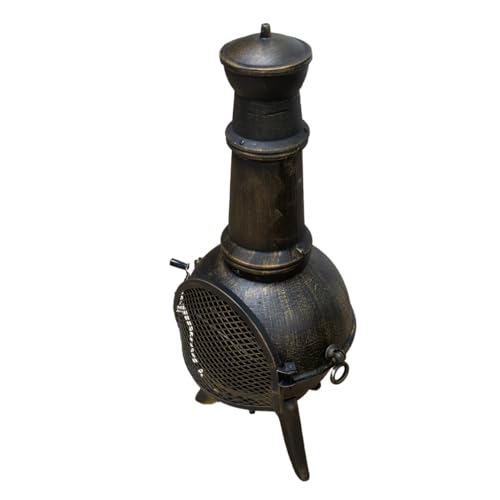 Use only well-seasoned hardwood to burn your chiminea. This will lessen the number of sparks that fly into the stack. It is also recommended to include a piece of chicken wire or a small-holed fencing to the stack to catch hot sparks. Finally, never use water to start a fire in your chiminea, as the heat and steam could crack it. Easy to Move Modern chimineas, which are traditionally made of clay, are also available in metals like cast aluminum and cast iron. They may be coated in a protective coating to prevent corrosion. The type of chiminea you choose will depend on the style you want to create in your outdoor space, and the kind of fuel you want to use. Clay is more eco-friendly, but can crack when dropped, and requires more maintenance. Metal versions are more durable, however they require regular repainting in order to keep rust away. Chimineas can be used to create a focal point in any garden or patio. They are a masterpiece, but they also provide warmth and ambiance for people to gather around. The design of the fire pits allow the smoke to escape through a chimney, so that it doesn't get into the faces and eyes of those enjoying the flame. They are also less prone to wind than other types of fire pits outdoors. To maintain your chiminea make sure to remove any ash that has accumulated in the bottom of the bowl after it has cool. Also, scrub any debris from the top of the stack. Then, reseal the top and chimney using a silicone sealant. This will shield the interior from water damage and make cleaning easier. You should also regularly reseal exterior of chimineas using acrylic latex paints or spray can sealants. Before you can begin using your chiminea, it is crucial to get it seasoned with several small fires. After your chiminea is well-seasoned, you can begin to build larger fires using logs. Duraflame logs can be used to speed up the process, however it is best to have your chiminea seasoned. Chimineas should be placed on a solid surface and away from anything that might cause fire, such as walls, fences or screens. After a fire, they'll be hot so keep children away until they've cool down completely. They must be protected from the elements with a cover when not in use.